
Indice
Flat roof waterproofing: an effective system for durable protection
An effective system for waterproofing flat roofs
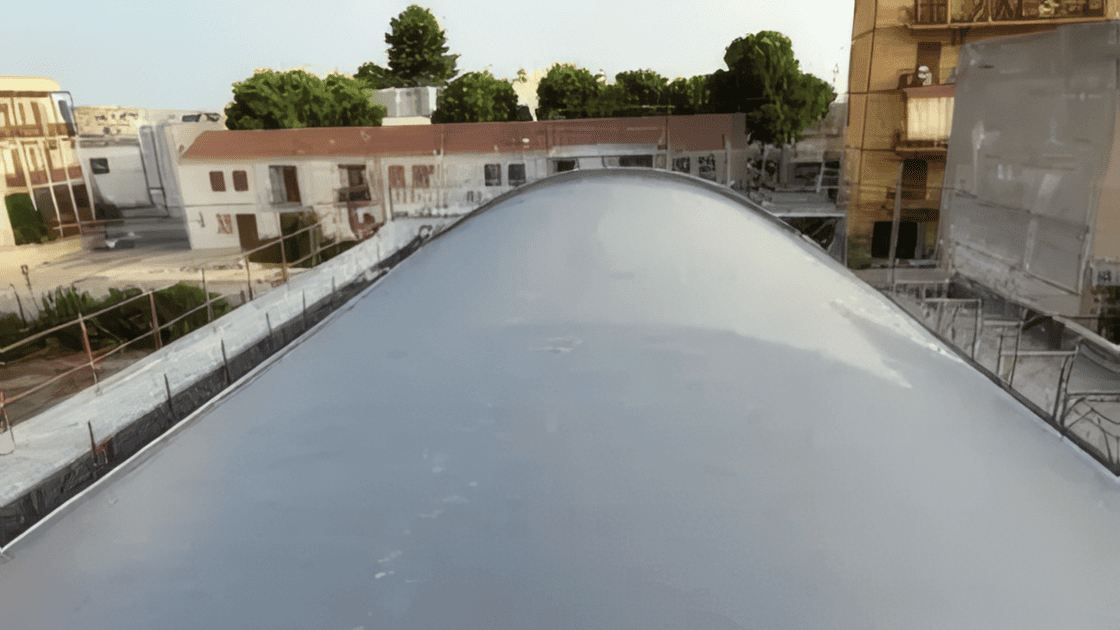
A 300 square meter warehouse in Sicily underwent a roof refurbishment, which was heavily damaged and subject to infiltration. The protagonist was the waterproofing system by Winkle
The challenge of roof degradation and the importance of substrate preparation
There are numerous cases of roofs damaged due to lack of maintenance, a necessary action to counteract the effects of degradation due for example to water stagnation, to the acidity of the rain, to the freeze/thaw cycles, and so on, all elements which lead to the creation of cracks which interrupt the waterproofing effect of the surfaces and therefore the protection of structures.
Preparation of the substrate with Winkler products
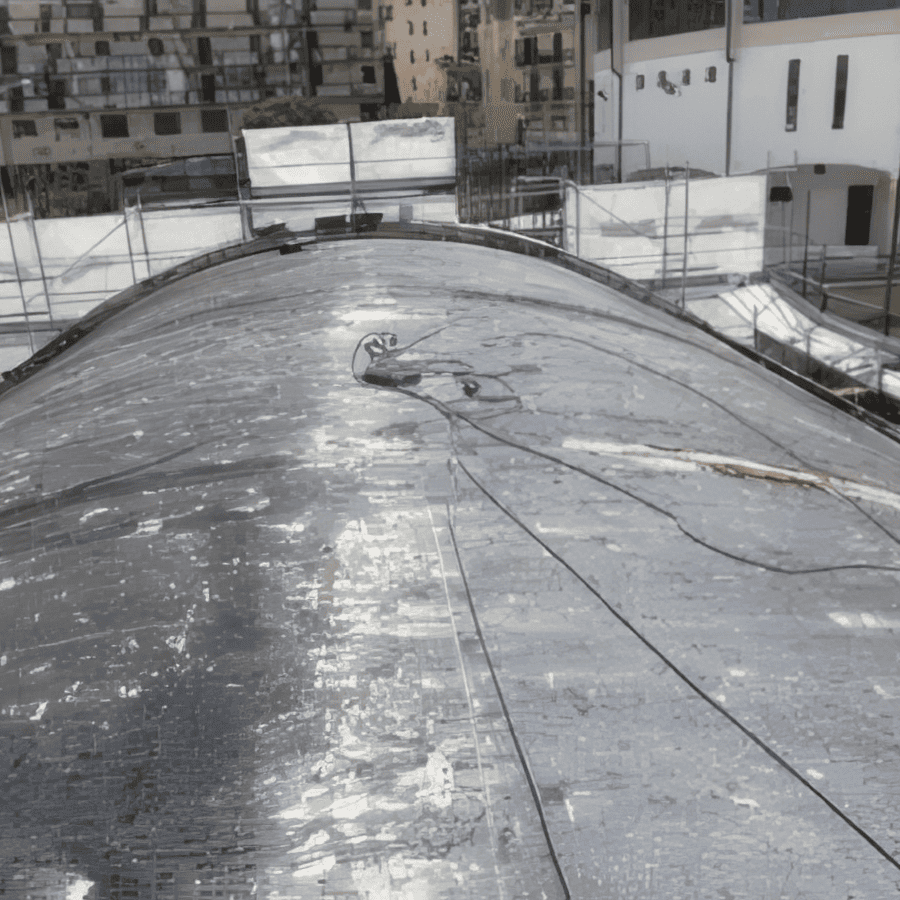
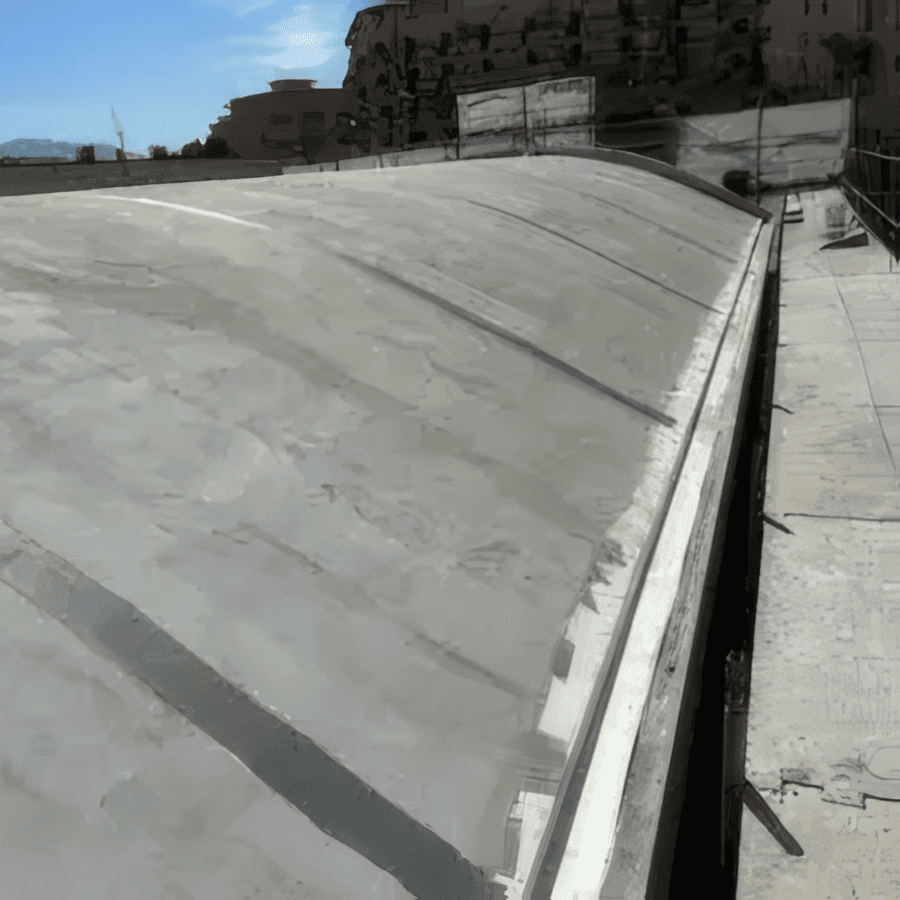
An example comes from the roof of a warehouse in Castellamare del Golfo in Sicily which required a complete refurbishment work. The first step consisted in the removal of the old membranes which protective function had expired. The preparation of the support is one of the most important phases in waterproofing works, as it can determine the effectiveness of protection over time. For this reason, the surface was cleaned very carefully before applying Wingrip Evo, the ready-to-use grip bridge, with rapid drying. It’s an excellent product based on water dispersion resins and selected aggregates. The support was then smoothed using the specific WF02 Rasowin skim coat by Winkler, a pre-mixed skim coat, non-shrink, easy to work with, and with excellent adhesion and resistance to weathering. To best complete the subfloor installation, joints were created to give the best continuity to the surface, perfecting the application with Winjoint Band, Winkler’s waterproofing joint cover band, which is reinforced with non-woven fabric and stands out for its excellent adhesion, high elongation capacity, and elasticity.Once the subfloor preparation was completed, we moved on to the actual phase of waterproofing the roof. It is worth mentioning that all Winkler products are water-based and solvent-free: a commitment to human health and environmental protection that the Company has been pursuing for decades, implementing its Winkler-Safe philosophy and technology.
The final waterproofing with Wingum Plus H2O
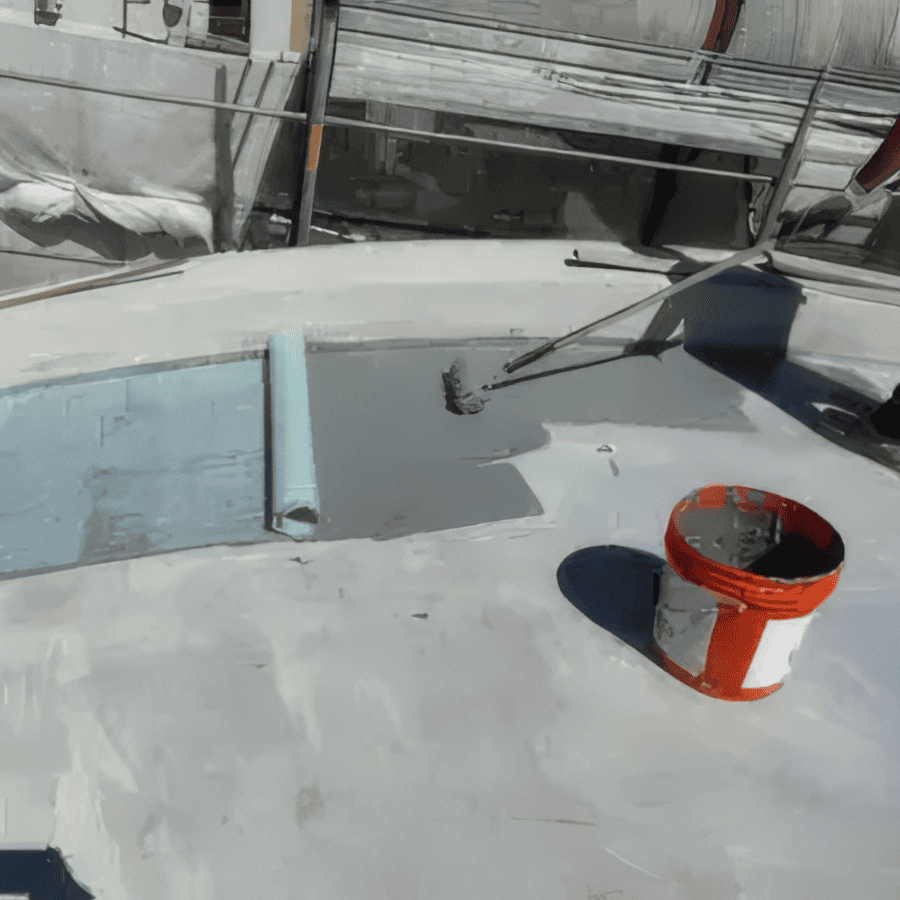
After laying the BC Seal Band self-adhesive cold band on the joints, based on butyl mastic, coated with non-woven fabric, for perfect joint sealing, we proceeded to lay the liquid waterproofing system, always water-based, Wingum Plus H2O, further reinforced with Wintechno Mat, the polyester TNT reinforcement. Wingum Plus H2O is one of Winkler’s great innovations: a liquid waterproofing based on water and high-quality resins, perfectly compliant with the EAD 030350-00-0402 Guideline, relating to liquids applied as waterproofing agents. Wingum Plus H2O offers excellent resistance to water stagnation, aging, and UV radiation, ensuring excellent durability. The warehouse roof is now able to withstand any stress and perform its waterproofing action in a truly effective way, protecting the structure from pollutants of any nature, for a long time. The warehouse roof is now able to withstand any stress and perform its waterproofing action in a truly effective way, protecting the structure from pollutants of any nature, for a long time.
FAQ
Is this system suitable for a flat roof with an old, damaged membrane that is causing leaks?
Yes, this system is perfect for refurbishing even heavily damaged roofs. It involves removing the old membrane, thoroughly preparing the substrate, and applying a new liquid waterproofing layer for long-lasting protection.
Why is preparing the substrate so important? Can’t you just apply the waterproofing on top?
It’s a crucial step to ensure the adhesion and durability of the new waterproofing. Without proper preparation, the product will not adhere correctly, leading to poor results and new leaks in a short space of time.
What are the advantages of Winkler’s water-based products compared to traditional ones?
They are safer for health and the environment because they are solvent-free. This eco-friendly choice does not compromise on performance, ensuring superior technical protection and long-term resistance to water and UV rays.