
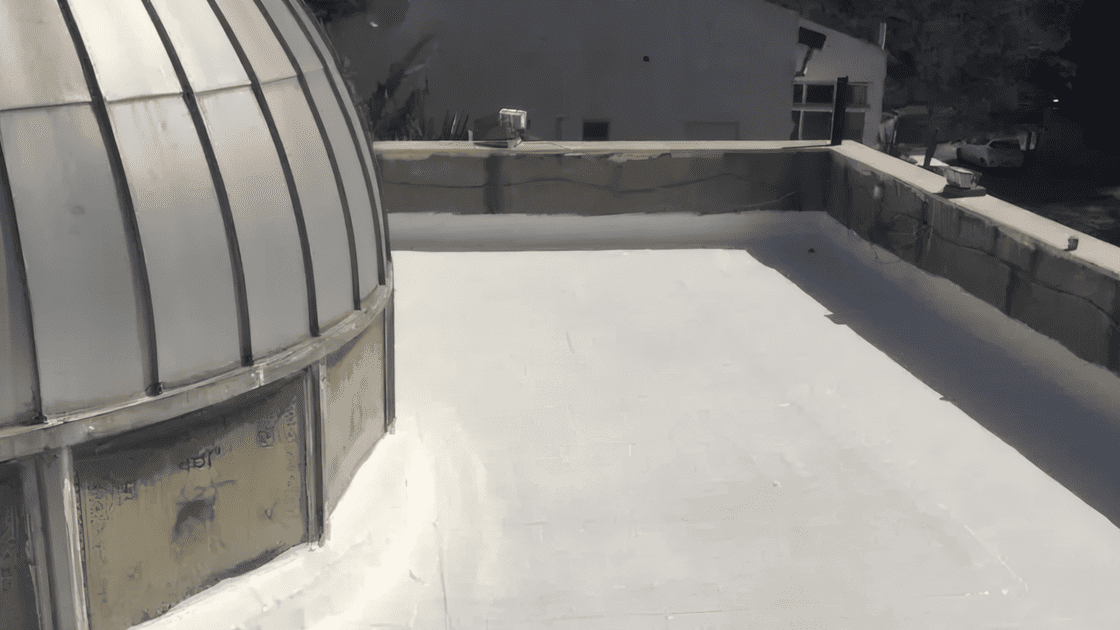
Restore and protect: waterproofing damaged flat roofs with liquid systems
How to waterproof an old damaged bituminous membrane on a flat roof?
The proper scheduling of maintenance work on flat roof waterproofing allows effective protection to be maintained by intervening meticulously in the various cases of membrane deterioration. The use of the most innovative solutions such as solvent-free adhesive sealants, leveling pastes, water-based bituminous membranes and liquid reflective membranes is the winning strategy to achieve guaranteed and long-lasting results.
The topic of environmental sustainability, provided as it is with a vast number of meanings, sees construction at one of the top ranks for opportunities for virtuousness, just by knowing how (and wanting) to seize them. The case of the maintenance of flat roofs, generally waterproofed with bituminous membranes, is among the most striking, because modern technology not only makes it possible to effectively intervene on the deteriorated surfaces without necessarily having to remove (and thus destined for the landfill) the old covering, but is also able, essentially giving new life to the old covering, to prevent future problems. It is immediately apparent that this operation-which must certainly be entrusted both to the expertise of skilled workers and to technologically advanced products-means saving time and money, as well as damage to the environment.
At the heart of the project of restoration of old sheathing is the verification of the state of preservation of the surface and thus the subsequent preparation of substrates. In fact, new waterproofing products are not limited to protection from water and moisture, but in the case of repair work also manage to perform a “restorative” и protective action.
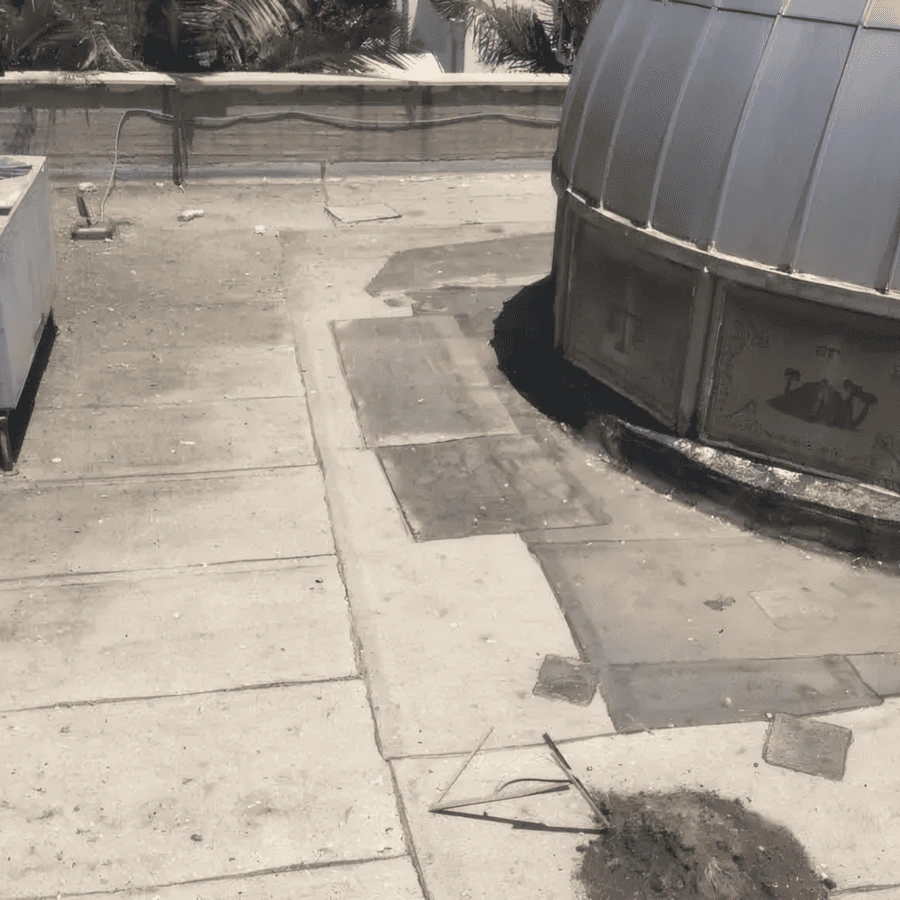
Coming to the main causes of degradation, it is worth mentioning that thewaterproofing of a flat roof is constantly put to the test by temperature fluctuations, which are also referred to as “freeze-thaw cycles,” the action of wind and rain as well as ultraviolet rays. Over time, the main consequences of these natural occurrences go to compromise the coating and thus the tightness of the protection. The result is the formation of cracks and fissures that allow water to carry out its slow but inexorable corrosive action. To realize how dangerous poor surface maintenance can prove to be, one need only check the condition of what are considered the most vulnerable points of membranes, especially if they have been laid with a flame. These include the butt welds and also the side welds, where the action of water, especially stagnant water, which is often composed of acidic elements, corrodes the bituminous membrane. It thus happens that the welds detach, leaving room for cracks and holes that procure as an immediate effect the loss of the continuity and uniformity of thewaterproofing.
It is universally recognized that periodic maintenance makes it possible to take timely action to repair damaged parts through targeted interventions. When, for example, it is necessary to restore and at the same time regularize the slopes of bituminous substrates, both in the case of normal bitumen-polymer and slated membranes, the application of a leveling paste – there are ready-to-use, single-component products on the market that are easy to work with – composed of water-based bitumen is recommended. These are, as is easy to imagine, high value-added solutions that can also be used for the creation of joint shells on the wall-floor corners of the roof. In the case of sealing overlap joints in the cold laying of polymer bitumen membranes, on the other hand, it is recommended to use bitumen-based adhesive sealants and top-quality polymers.
Modern intervention techniques, in many cases true complete “systems” that offer guarantees and certifications to the complete advantage of both applicators and clients, offer very high-performance solutions that are therefore destined to last. They are water-based products, thus without the harmful solvents, formulated to ensure maximum performance but also to protect human and environmental health.
For example, for the covering of old membranes and the related renewal of the roof surface, very elastic water-emulsion bituminous membranes are used today, which resist aging, cold-hot cycles, and remain unaffected by both low and high temperatures. As for slated membranes, where in addition to not having to alter the aesthetic appearance of the roof it is also desirable to prevent and limit the detachment of slate flakes, special water-based, transparent elastomeric liquid membranes are used that provide maximum protection for this type of bituminous covering.
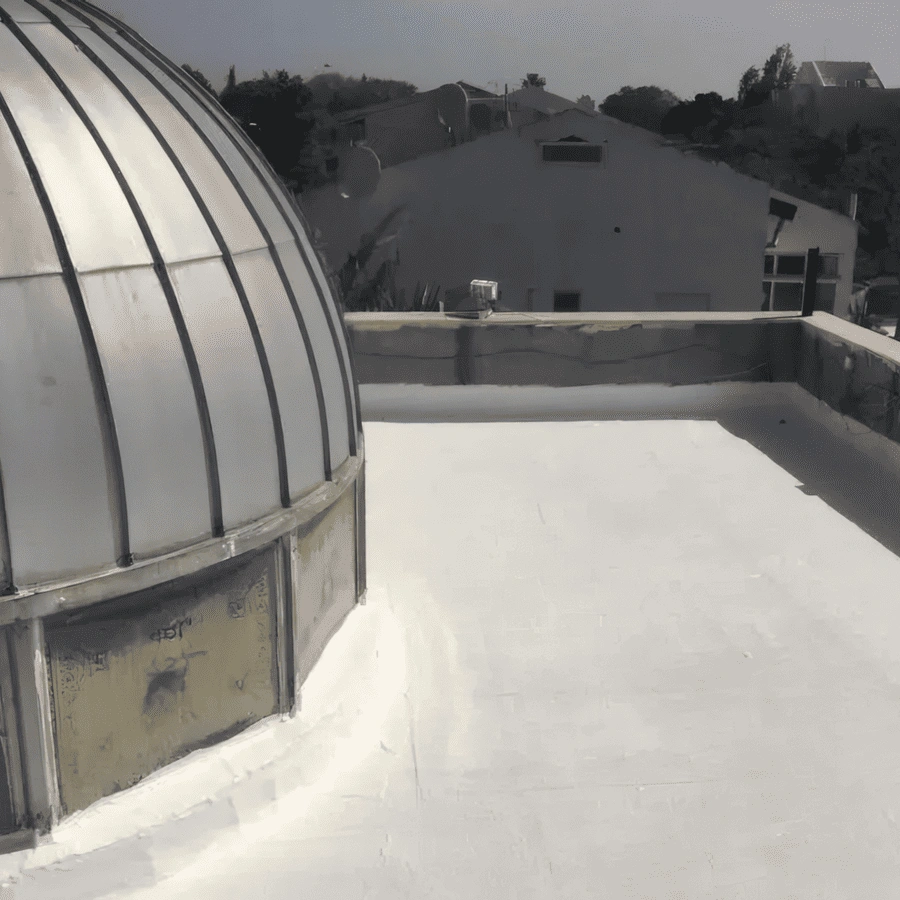
And because you can never do too much to protect the environment, water-based products containing special fillers and additives are already available to professionals that enable the roofing to provide a significant barrier to infrared rays through effective reflectivity, without losing in the least their waterproofing properties and resistance to water, even stagnant water. When planning the maintenance of a flat roof, it is always a good idea to carry out all the actions that serve to concretely limit the buildings’ cooling energy expenses, especially in the warmer months, with reflective products guaranteed to last. Today you can.
A practical example of how to have quick waterproofing and protection for building roofs
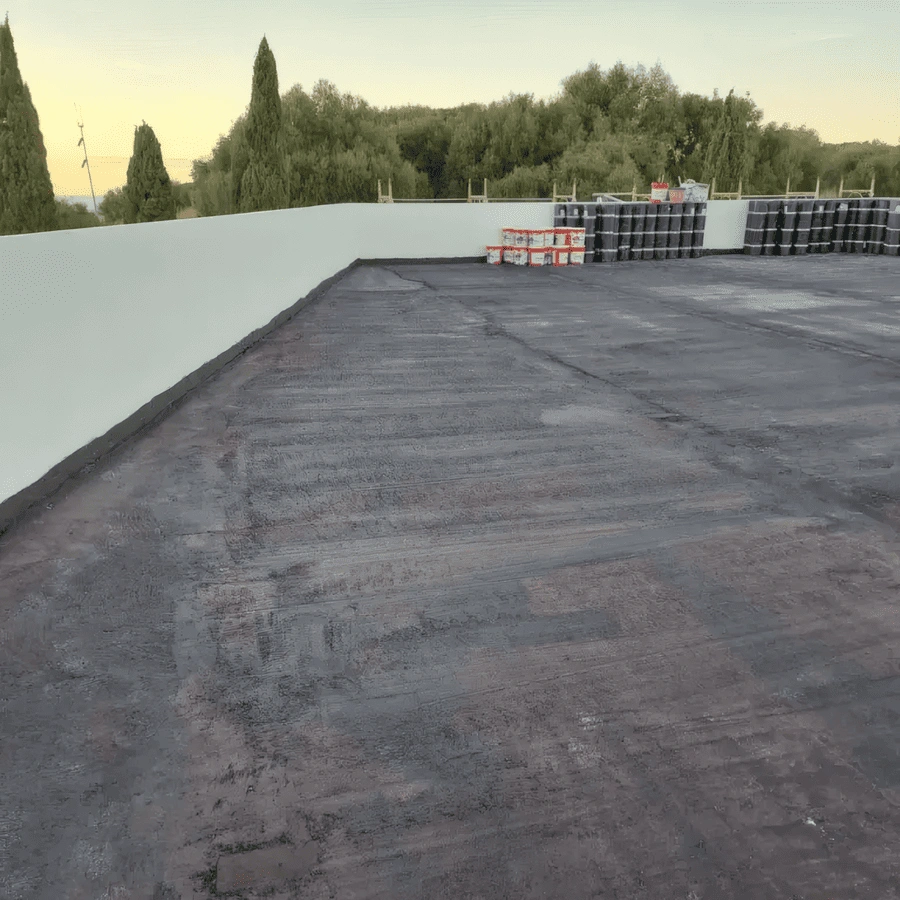
Thewaterproofing of a building roof in Milazzo, in the province of Messina, was recently optimized thanks to the advanced technology offered by the Winkler 2000 Fast System. This system makes it possible to immediately protect the bituminous membrane without having to wait for the traditional 6 months required for the membrane itself to oxidize; the contractor’s primary need, therefore, was to immediately provide protection for the roof.
Problem and innovative solution
The protection of a bituminous membrane required a 6-month wait to avoid problems of detachment and yellowing of the protective, due to migration of the oils contained in the membranes. This wait was eliminated in the intervention in Milazzo because the innovative Coverextra membrane composed of distilled bitumen modified with elastoplastomeric polymers, including attactic and isotactic polypropylene, synthetic compatibilizers and stabilizing inert fillers was used. This composition ensures thermal stability, flexibility at low temperatures and excellent mechanical properties.
Winkler 2000 Fast protective system
The protective system used, Winkler 2000 Fast, includes two main components:
- 2000 Fast Primer: Based on high-quality polymers and additives, this primer stops oils from rising up from freshly laid bituminous membranes, preventing problems with peeling and yellowing.
- 2000 Fast: An elastomeric protector resistant to water stagnation, formulated for the protection of smooth and slated asphalt surfaces.
What are the advantages?
The combined use of 2000 Fast Primer and 2000 Fast ensures immediate and long-lasting protection of bituminous membranes. This system stops the oxidation process, preserving the protective and reflective characteristics of the membrane, which remains as good as new even after years. In addition, immediate application optimizes labor costs, reducing intervention time.
Conclusion
The adoption of this technology forwaterproofing and protection of building roofs represents a significant step forward in the industry. Innovative water-based solutions not only improve the effectiveness and durability of interventions, but also respect human and environmental health, offering a sustainable, high-performance approach to modern building needs.

FAQ
If a flat roof’s bituminous membrane is old and deteriorated, does it need to be completely replaced or can it be repaired?
It doesn’t always need to be completely replaced. The most innovative technologies make it possible to restore and give new life to an existing bituminous membrane. By using a system of water-based liquid products, a new protective layer can be created directly over the old membrane, extending its lifespan and avoiding the cost and environmental impact of removal.
Besides repairing leaks, do these liquid systems offer other benefits, such as energy savings?
Yes, absolutely. In addition to standard waterproofing, special reflective liquid membranes (‘cool roof’ technology) can be applied. These products create a barrier against solar rays, keeping the roof cooler in the summer. This not only further protects the membrane but also helps to reduce energy costs for cooling the building.
Is it possible to repair a slated membrane without altering its appearance?
Yes. Specific solutions exist for this type of roofing, such as special transparent, water-based elastomeric liquids. These products strengthen and waterproof the membrane without altering the original aesthetic appearance of the slate chippings.